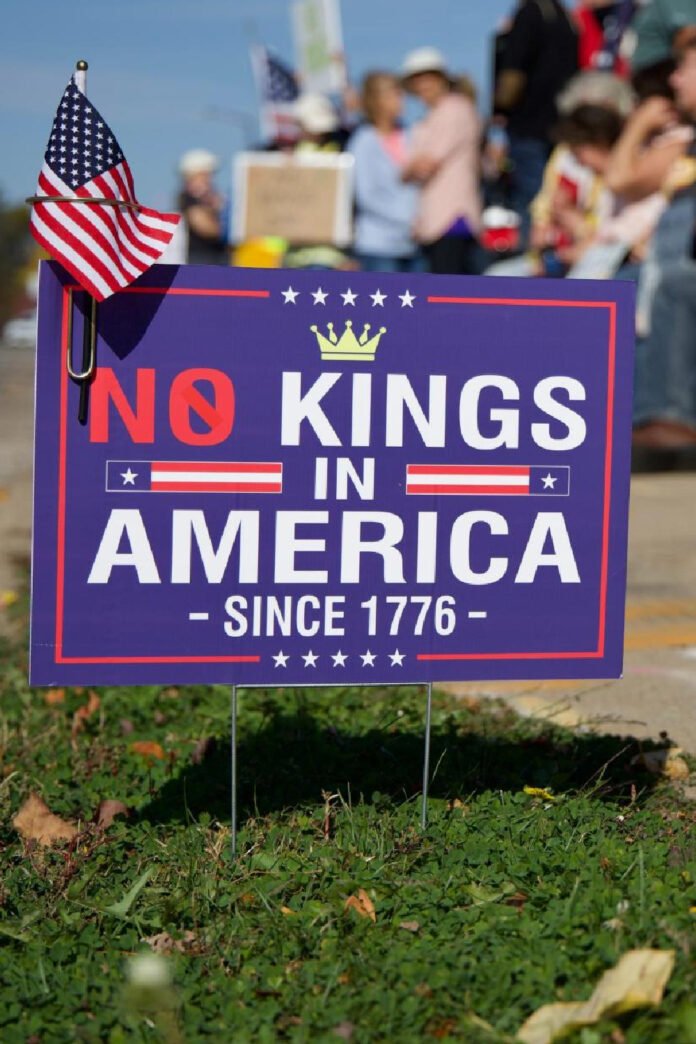
As spring unfolded across the United States, hundreds of thousands of Americans took to the streets on March 28, not for a festival, a parade, or a sporting event — but for a nationwide wave of demonstrations known as the “No Kings” protests. What began as a loosely organized movement months earlier had grown into one of the largest coordinated days of civic engagement in recent memory, with rallies and marches held in thousands of cities and towns from coast to coast.
For many who turned out, attending wasn’t about partisanship or political tribalism. Instead, it was about an expression of deep‑rooted civic values and a belief that showing up and speaking out — peacefully — is one of the truest forms of patriotism.
🗽 From Coast to Coast: A Movement in Motion
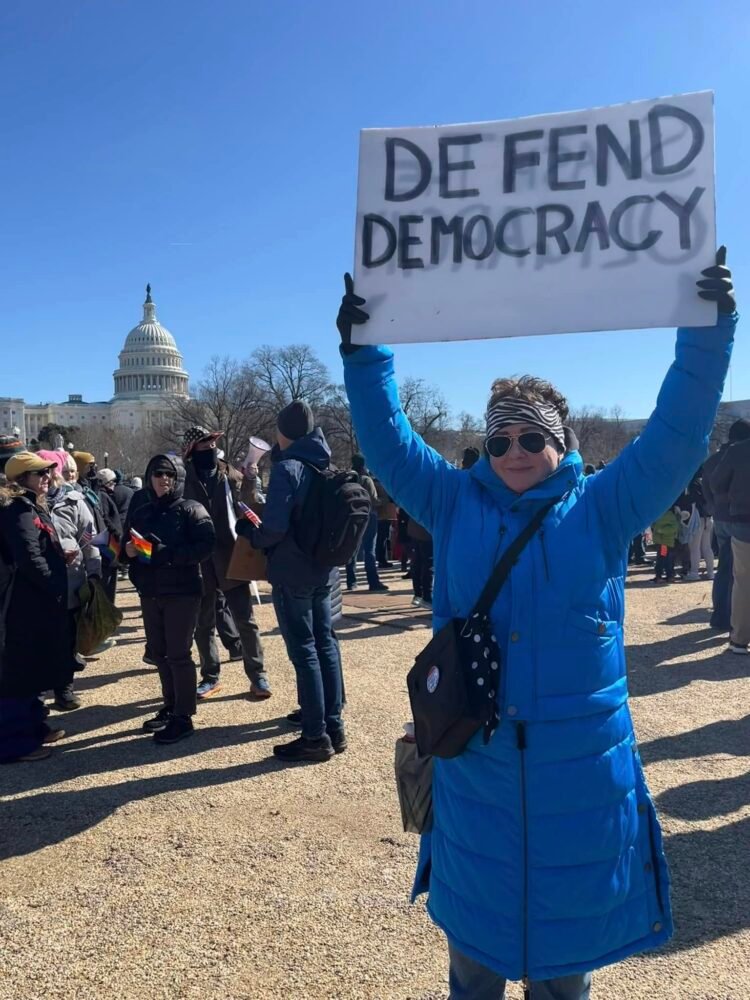
Across the country, crowd sizes varied, but the energy was consistent: people of all ages, backgrounds, and walks of life were ready to make their voices heard. In major cities, vast crowds filled public squares and parks; in smaller towns, spirited gatherings drew local residents carrying homemade signs and American flags, each representing personal concerns and broader shared grievances.
The name “No Kings” is deliberate — evoking a fundamental principle embedded in the founding of the United States: that this nation should never be ruled by a monarch or autocrat, but by a government of, by, and for the people. This historical reference resonated strongly with many participants as they marched for what they see as democratic accountability.
📣 What Drove People to the Streets
There wasn’t a single issue unifying every protester; rather, the movement became a broad tent under which many grievances — and hopes — were gathered. Among the most commonly cited reasons people attended:
- Concerns about government overreach and the erosion of democratic norms.
- Opposition to policies seen as unjust — from immigration enforcement practices to international military engagements.
- Frustration with what many viewed as threats to civil liberties and constitutional rights.
Some participants described their presence as an act of conscience: a refusal to remain silent in the face of policies or practices they believe contradict the principles upon which the United States was founded.
🙌 A Diverse Chorus of Voices
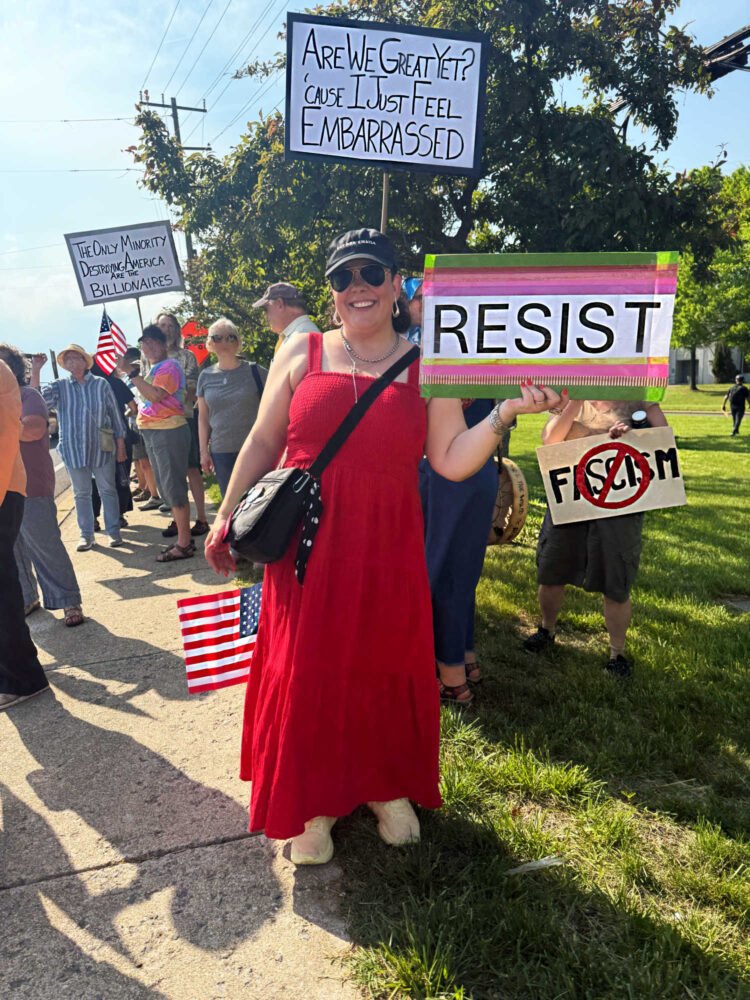
One of the most striking aspects of the March 28 demonstrations was the diversity of its participants. Veterans who had served their country stood alongside families with young children. Older adults who hadn’t protested in decades dusted off signs and joined in, feeling compelled by what they saw as a critical moment for democratic engagement. Others, including activists, artists, and everyday citizens, added creative energy and personal expression to the rallies.
In some cities, colorful costumes and historical imagery — from colonial‑era outfits to symbolic flags — appeared alongside heartfelt signs and hand‑painted banners. This blend of tradition and modern expression underscored a message that for many wasn’t just political — it was emotional and deeply personal.
🇺🇸 Patriotism Reimagined
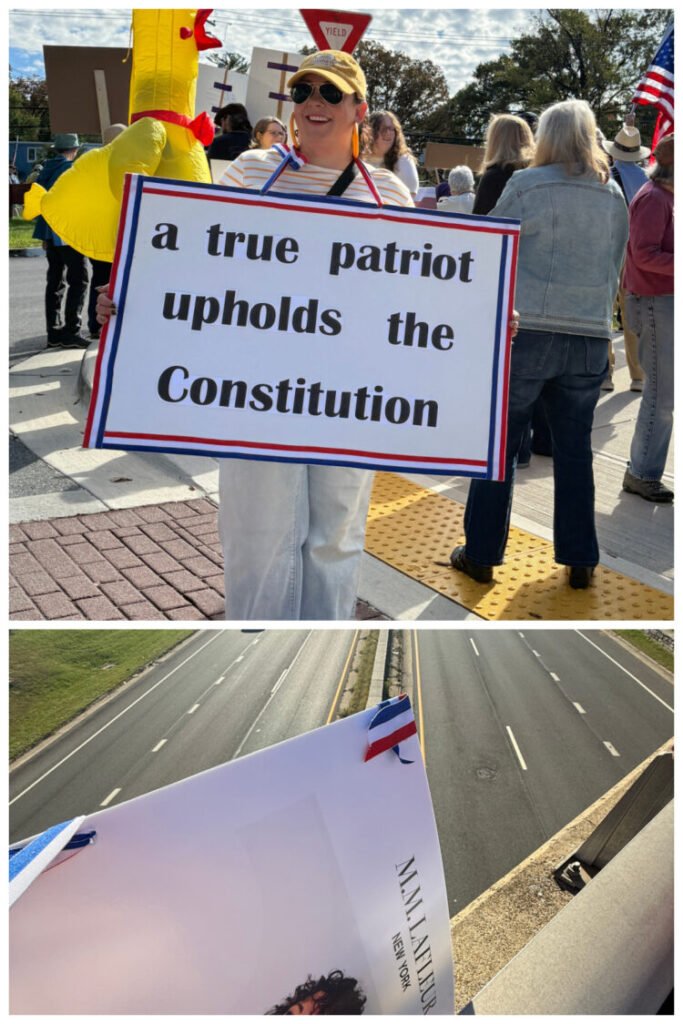
For some observers, the idea that protesting can be patriotic might seem counterintuitive. Yet for participants, patriotism didn’t mean blind loyalty to leaders or current policies — it meant active participation in civic life and a belief that citizens have a duty to speak up when they believe democratic values are at risk.
This perspective draws on a longer tradition of American civic engagement — from civil rights marches to peace demonstrations — where public protest has served as a catalyst for change and reflection. Whether or not one agrees with the message of any particular protest, there is a shared understanding among many Americans that democracy thrives when people engage actively and thoughtfully with the issues that shape their lives.
✨ A Moment of Connection
What made the March 28 “No Kings” protest notable wasn’t just the sheer number of events or participants, but the sense that individuals were choosing to stand together — in parks, on city streets, on college campuses, and in local communities — around ideas that matter deeply to them. Many told reporters that simply being surrounded by others who share similar concerns was invigorating and reassuring.
Whether the protests lead to immediate policy shifts or not, for many participants March 28 will be remembered as a day when citizens exercised their voices — and their democratic rights — with visible determination and collective spirit.
🧠 A Civic Reflection
In times of political tension or uncertainty, it’s easy to feel powerless or disconnected from the broader course of events. Yet when people choose to gather, speak, and walk together toward a common purpose, they remind one another — and the wider world — that public engagement and peaceful protest are enduring threads in the fabric of democratic life. For many, that is the very essence of what it means to be a patriot.