In an era of social media headlines, short videos, and viral posts, it’s become increasingly common to see lists of brands that “everyone should boycott” because of their political donations, affiliations, or ethical concerns. But before you decide to vote with your wallet, it’s worth stepping back and approaching these claims thoughtfully and deliberately.
This guide explores why reacting impulsively to a viral post isn’t necessarily the best way to make values‑based purchasing decisions — and how to become a more informed consumer who understands the difference between rumor and fact.
📱 Don’t Believe Every Social Media Claim
When a TikTok, Reel, or Reddit thread begins naming brands as “problematic” or urging mass boycotts, the problem is rarely as simple as it appears. Viral content is designed to get attention — not always to present context, nuance, or verified facts. In many cases, widespread claims about brand donations or political alignment are incomplete, inaccurate, or exaggerated.
Even tools and apps that track political donations — while useful — don’t always get the full picture right. For example, some services list brands alongside political categories without providing clear sources for those associations, which can mislead shoppers trying to decide whether to support a company.

Key takeaway: Research matters. Don’t base a boycott solely on one viral video or third‑party app — dig deeper and verify claims from multiple reliable sources before making a decision.
🧠 Voting With Your Wallet Is Personal — Not Prescriptive
Spending your money in alignment with your values is something many people care about, and there’s no one “correct” way to express that. What one shopper considers unethical or disqualifying might not be equally concerning to someone else. The critical part is understanding why you’re choosing to support, avoid, or boycott a specific brand — and basing that decision on solid, contextual information.
The blogger behind the original post has a long history of calling out brands or stopping partnerships when she personally believes a company’s values don’t align with her own. What she emphasizes, though, is that nuance matters — corporate donations, individual executive actions, and political affiliations aren’t always straightforward. Some claims about brands turn out to be oversimplified or factually incorrect once you look at the data more carefully.
🧩 Case Studies: Brands in the Spotlight
To illustrate how complicated this can be, let’s look at a few examples that have been widely discussed online:
👕 L.L.Bean
A viral boycott claim stemmed from individual family donations tied to the company’s founding family. However, corporate records show that the company itself has not made direct political contributions, and owners’ individual actions don’t necessarily reflect corporate policy. Many shoppers feel this nuance changes the boycott conversation.
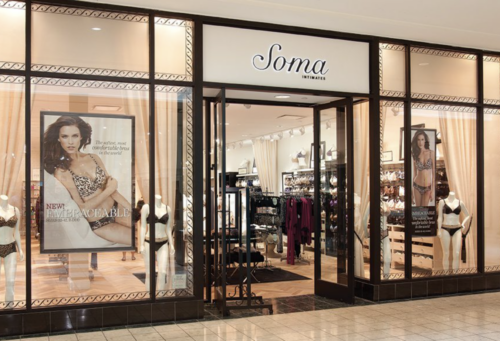
🩱 Soma Intimates
Another brand frequently mentioned on social networks appeared as a “right‑leaning” donor in some lists — but deeper research revealed that its parent company didn’t make significant direct political donations, and the political leanings attributed in some databases didn’t reflect reality.

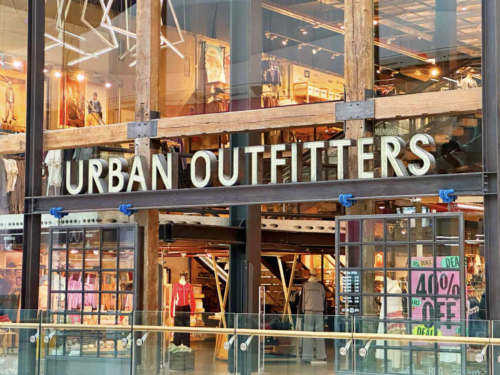
🧥 Urban Outfitters, Free People, and Anthropologie
These brands fall under a larger company whose executives have made personal political donations over time. Determining whether that means the company as a whole supports a specific agenda is a separate question, and requires context around corporate statements, action, and reporting.
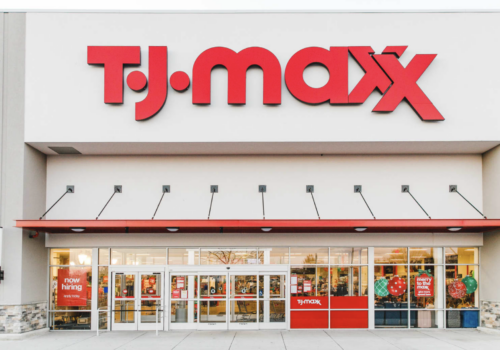
🛋️ TJX Companies (T.J.Maxx, Marshalls, HomeGoods)
In some cases, social media claims about boycotts came without clear evidence of corporate political contributions. Public disclosures suggest the company has a policy against making direct corporate contributions, and executive donation patterns are mixed. Many shoppers conclude this complicates blanket boycott calls.
💄 Sephora
Online rumors once spread that Sephora made political contributions that merited a boycott. However, federal law actually prohibits corporations from directly contributing to federal elections, and reputable reporting confirms Sephora and its parent company are unable to make such contributions.
📊 The Bigger Picture: Facts Over Sensationalism
So what does all this mean for you as a consumer?
✔️ 1. Verify Before You Act
Don’t take the word of a headline, app score, or short video as gospel. Look for robust reporting or official records to understand the full context behind brand affiliations.
✔️ 2. Consider the Source
Some databases and apps can be helpful, but they are not infallible — especially if they don’t explain how they arrive at their conclusions.
✔️ 3. Distinguish Between Corporate and Individual Actions
A CEO’s personal donations do not always reflect corporate policy, and vice versa. Knowing the difference is crucial for informed decisions.
✔️ 4. Check for Updated, Credible Data
Political contributions and corporate stances evolve over time. An unverified claim from months ago may no longer reflect current reality.

🧠 Final Thoughts — Know Your Why
Boycotting brands based on values — whether political, ethical, or environmental — is a personal choice and a powerful expression of your priorities. But doing it effectively means pausing to research, verify, and think critically rather than just reacting to a trending list or meme.
Your wallet is power, but it’s most persuasive when backed by clarity and context. Make sure your choices reflect real understanding — because meaningful change is rooted in informed action, not impulsive reactions.