When the temperature drops and dresses, skirts, or shorts need a little extra coverage, tights become one of those wardrobe essentials you reach for again and again. But anyone who’s ever bought inexpensive legwear knows the frustration: one wear and bam — baggy knees, runs, snags, or sagging around the waist. After years of replacing cheap pairs over and over, many fashion‑minded shoppers decide to shift their focus from quantity to quality.
Instead of stocking up on multiple flimsy pairs that barely survive a single season, investing in a few high‑quality options can mean tights that last longer, feel better, and elevate your outfits — while actually saving you money and frustration in the long run. Here’s a practical look at why quality matters, what kinds of tight styles are worth investing in, and how to think about the trade‑off between price and performance.

🧠 Why Quality Matters for Tights
Cheap tights often fall apart quickly because the materials and construction don’t stand up to repeated wear and washing. High‑quality legwear, on the other hand, is designed to stretch and recover consistently without sagging, resist runs and snags, and fit more comfortably throughout the day.
A good pair should feel almost like a second skin — snug without pinching and smooth under skirts and dresses. You’ll also notice that better pairs tend to look more uniform in color and finish, and they hold the tension around the waist and thighs better than lower‑end versions.
👗 Not Just Black: Tights That Actually Elevate Your Wardrobe
When building a practical but stylish tights drawer, look for quality options across a variety of styles:
🖤 Sheer Everyday Tights
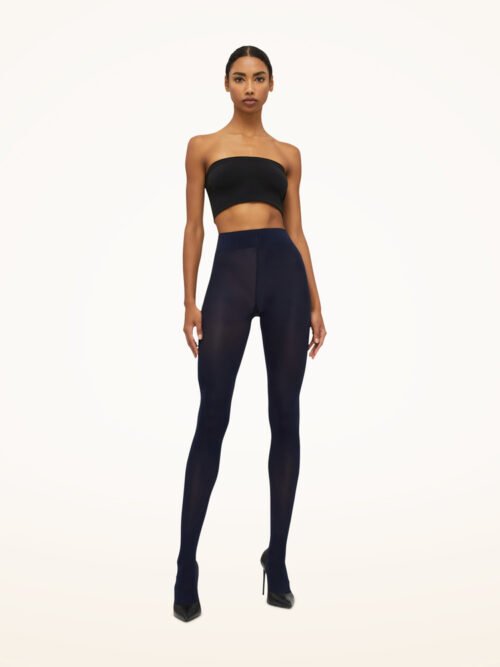
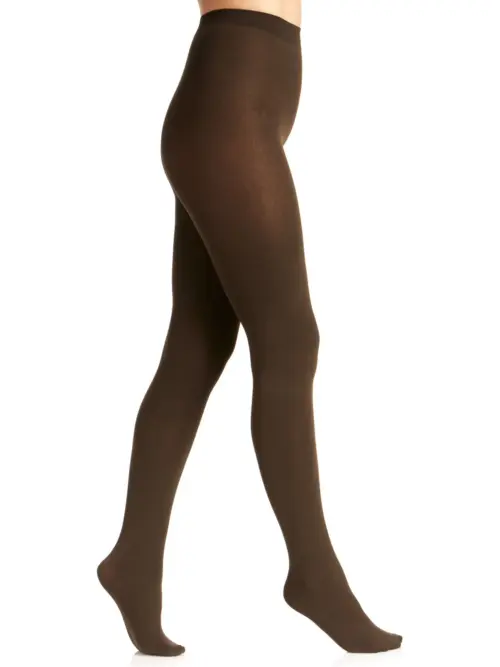
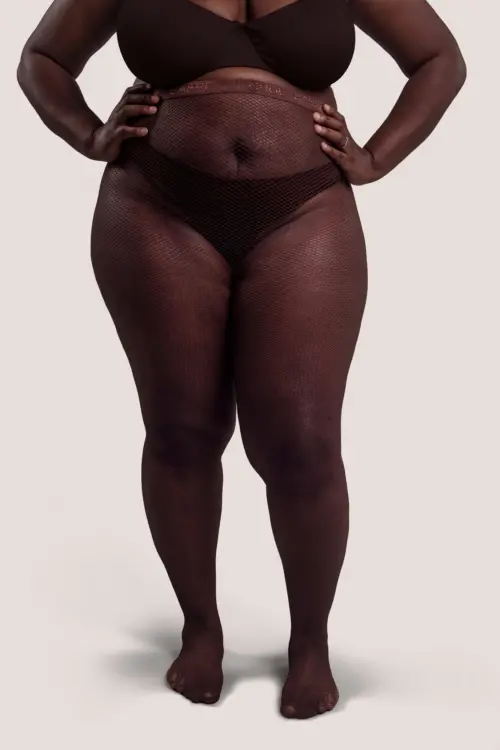
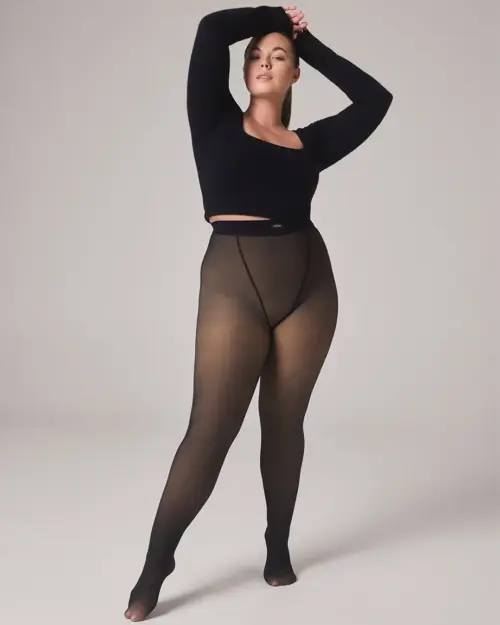
A timeless pair of sheer tights — especially in neutral tones like espresso brown or classic black — can bridge the gap between casual and polished. Modern sheer options are more versatile than they used to be, blending durability with just enough opacity to look elegant under skirts or dresses.
🌑 Classic Opaque Tights
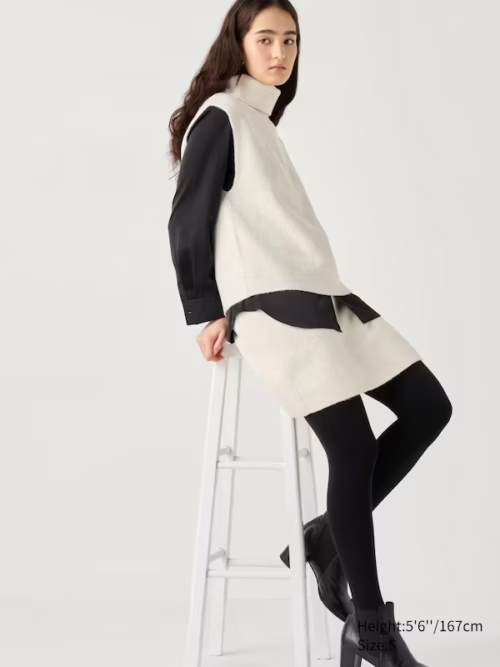
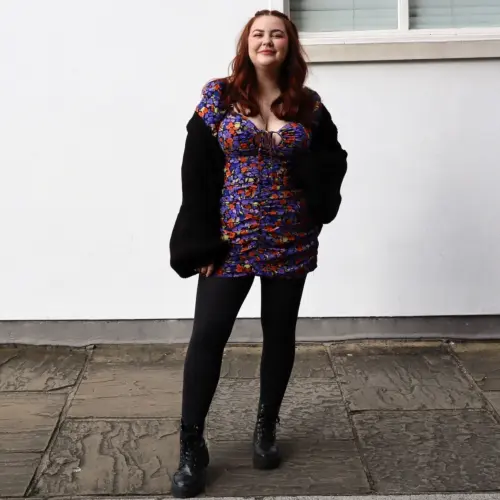
Opaque tights are the workhorses of cold‑weather wardrobes. They pair effortlessly with wool skirts, sweater dresses, and ankle boots. Investing in opaque pairs with good elasticity and matte finish means they will stay looking smooth rather than shiny or stretched out.
💨 Shaping & Support Styles
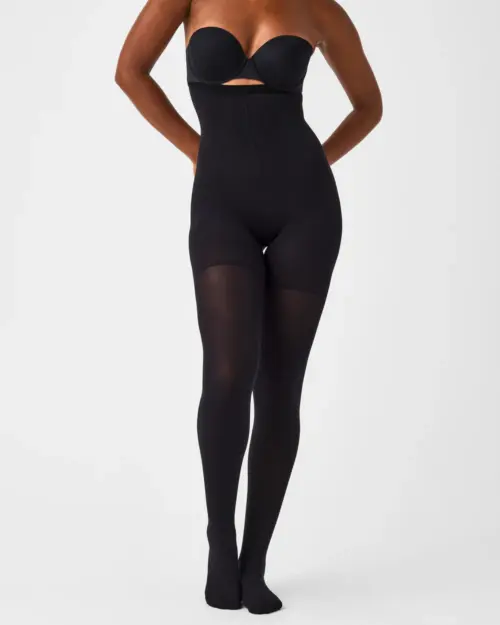
If you want some additional support that smooths your midsection and enhances your silhouette, consider investing in shaping tights with higher waistbands and reliable compression. These stay in place better and often feel more supportive during long days.
❄️ Fleece & Winter Tights
For cold climates, you don’t want just any thick pair — quality fleece tights that hold their shape and offer warmth without tight pinching are worth the few extra dollars. They help make dresses and skirts winter‑friendly without bulky layers.
🤔 What to Look for in Higher‑Quality Tights
Even before trying on a pair, there are a few markers that point to better construction and materials — and a much more pleasant experience overall:
🧵 Material Blend
Good tights typically mix nylon (or polyamide) with elastane (spandex) in a way that balances stretch and recovery. Higher elastane percentages tend to help garments return to shape after wear, which prevents sagging around the knees.
🧰 Reinforced Areas
Quality pairs often include reinforced toes, a shaped gusset (the diamond‑shaped panel near the crotch), and a well‑finished waistband. These details reduce strain at the highest‑stress seams and make the tights more durable.
📏 Consistent Finish
When you stretch the tights gently between your fingers, quality legwear maintains even color and thickness. If the color looks patchy or the fabric feels uneven, it’s often a cue that the tights may fail prematurely.
🧼 Care Instructions
High‑quality tights often come with clear recommendations for delicate washing or hand wash — and for good reason, since heat and harsh detergents break down elastic fibers quickly. These instructions are part of getting long wear out of them.
💡 Quality vs. Quantity: The Cost‑Per‑Wear Perspective
It’s tempting to treat tights like fast fashion — cheap and replaceable. But when you calculate cost per wear, quality pairs often come out ahead. A pair that costs more upfront but lasts for multiple seasons and stays looking smooth under outfits can cost you less per wear than two or three cheaper pairs that sag after one or two wears.
High‑quality tights also tend to feel more comfortable — and comfort matters when you’re wearing them for work, travel, or events where you’ll be on your feet. Instead of constantly adjusting or avoiding outfits because of poor legwear, you’ll reach for your dependable pairs with confidence.
👠 A Few Modern Tights Picks Worth Considering
While specific recommendations can vary by personal style and need, current quality standings often highlight:
- Sheer rip‑resistant styles that balance elegance and durability.
- Matte opaque options that stay smooth and hold their fit.
- Shaping tights with higher waists that combine comfort and silhouette enhancement.
- Plus‑size inclusive legwear designed for durability and fit across a wide range of bodies.
- Insulated daily wear tights that offer warmth without bulk in cold weather.
Investing in a few well‑made pairs rather than a closet full of disposables helps ensure you always have a dependable option ready — whether you’re dressing up for work, heading out for date night, or layering for winter.
🧦 Final Thought
Tights are one of those small wardrobe pieces that can significantly impact your comfort, outfit polish, and confidence — especially in cooler seasons. By focusing on quality over quantity, you treat your legs — and your closet — to better performance, longer wear, and fewer frustrating run‑throughs and sagging knees. With a thoughtful mix of sheer, opaque, shaping, and winter‑ready styles, a well‑curated tights drawer becomes a true wardrobe asset.