

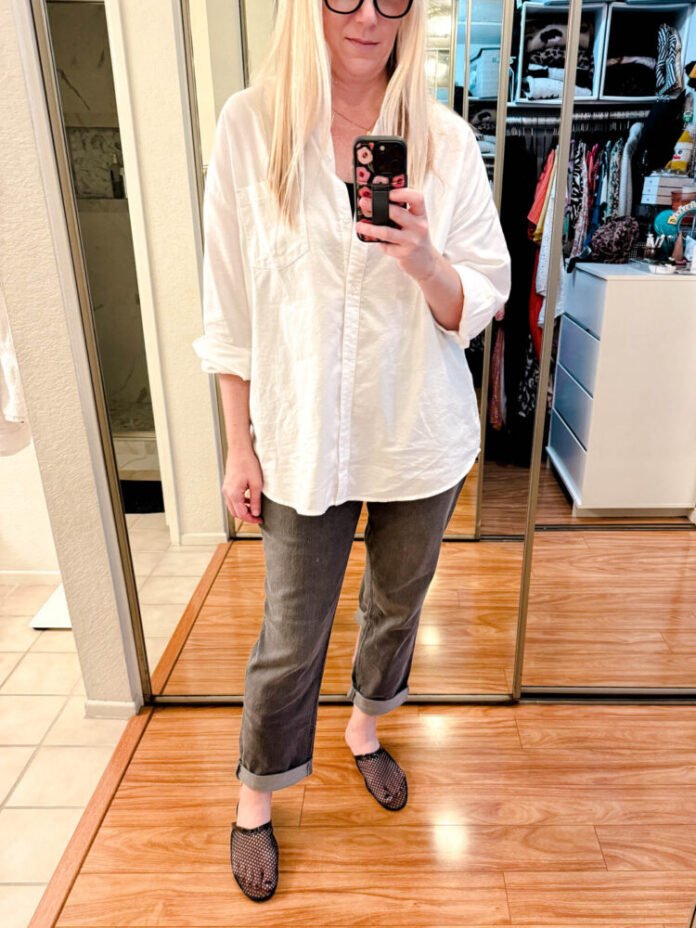
Many people assume that hiring a personal stylist is something reserved for celebrities or fashion insiders. In reality, personal styling services are becoming increasingly popular for everyday people who want help refining their wardrobe, improving their confidence, or preparing for a special event.
Curious about what the process is really like, I decided to try working with a professional stylist. The experience was both eye-opening and surprisingly practical. From evaluating my current wardrobe to discovering new outfit combinations, the process helped me see my personal style in a completely new way.
If you’ve ever wondered what happens during a styling session, here’s a closer look at how the experience unfolded.
The First Step: Understanding Your Style
Before diving into clothing racks or online shopping carts, the first part of the process focuses on understanding your personal style.
During the initial consultation, the stylist typically asks questions about your lifestyle, daily routines, and the types of clothing you feel most comfortable wearing. For example, if you attend professional events, work in an office, or travel frequently, your wardrobe needs may look very different from someone who spends most of their time in casual settings.
Stylists often use visual references such as style boards or curated outfit images to help identify aesthetic preferences. These visuals might represent styles like classic, modern, bohemian, or edgy. Many people discover they don’t fit into just one category but instead blend elements from several styles.
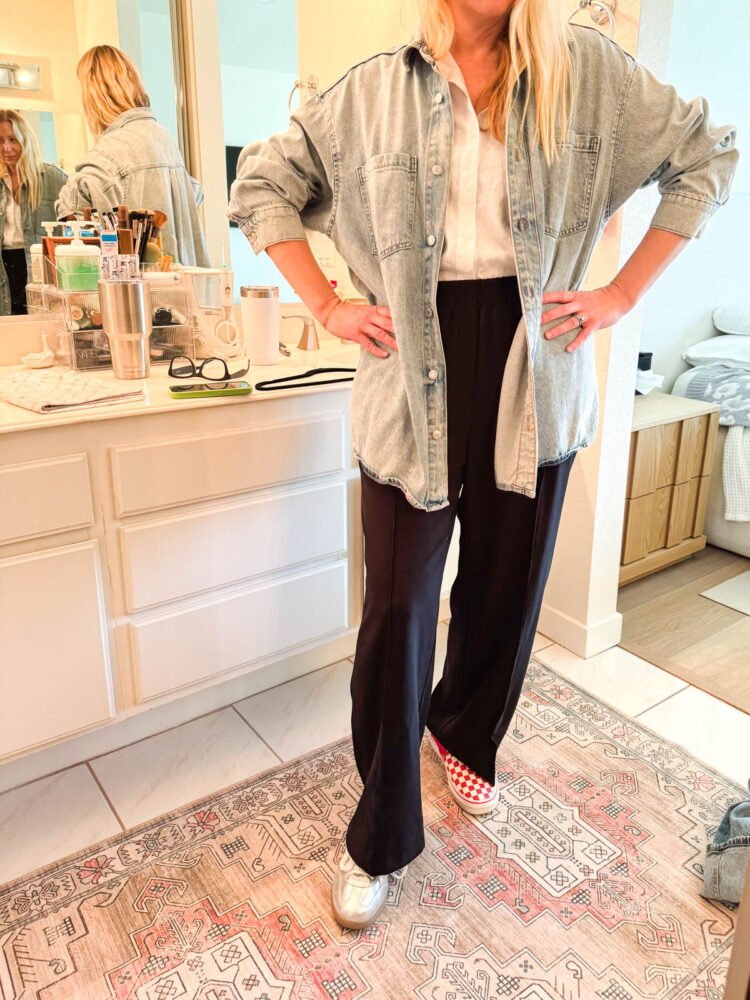
This step helps the stylist understand not just how you dress, but how you want to present yourself.
Taking a Closer Look at Your Current Wardrobe
After the consultation, the stylist reviews your existing clothing. This part can feel a little intimidating at first, but it’s actually one of the most valuable steps in the entire process.
Instead of throwing everything out, the stylist looks at what you already own and identifies pieces that work well together. They may pull certain items from your closet and ask you to try them on to see how they fit and how you feel wearing them.
During these try-ons, outfits may be assembled right there on the spot. Some combinations will work beautifully, while others reveal why certain pieces have remained unworn for years.
Being honest during this stage is extremely important. If an item makes you uncomfortable or highlights something you don’t like, the stylist needs to know. Their goal isn’t to force trends but to help you feel confident in what you wear.
Stylists often document the process with notes and photos so they can remember which pieces worked and which didn’t.
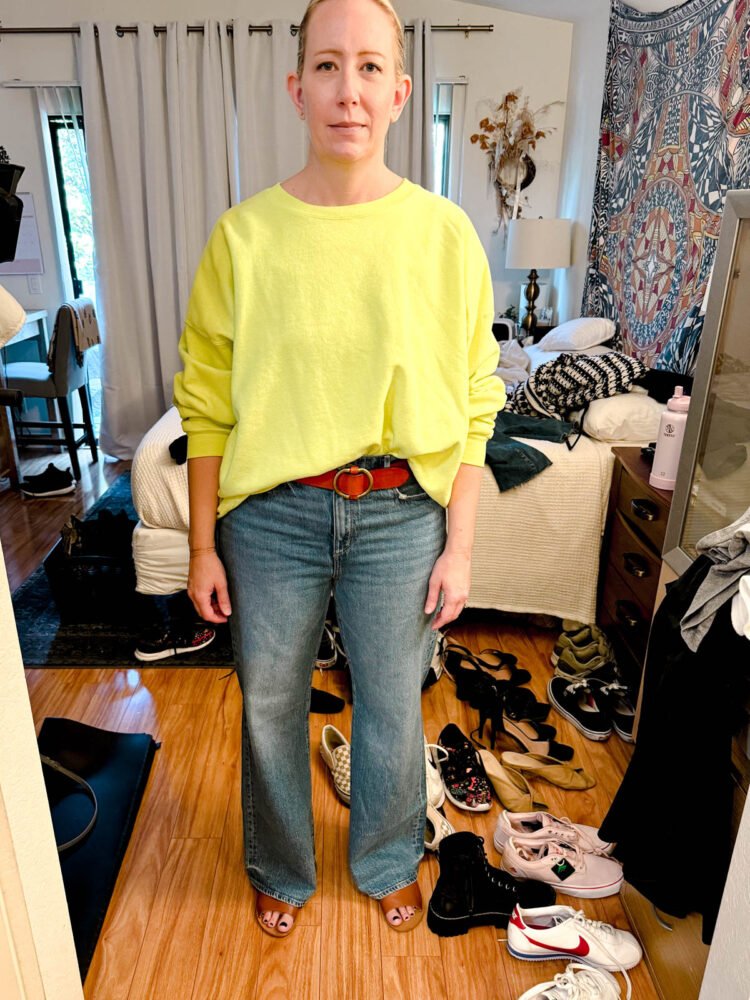
Identifying What’s Missing
Once your existing wardrobe has been evaluated, the stylist identifies the gaps.
This might include essential pieces that tie outfits together, such as:
- A versatile jacket
- Well-fitting trousers
- Shoes that complement multiple outfits
- Accessories that complete a look
Rather than recommending random purchases, the stylist usually creates a targeted shopping list designed to expand your wardrobe strategically. The goal is to build a collection of clothing that mixes and matches easily, rather than filling your closet with one-off items.
Many stylists provide a detailed document summarizing their recommendations and the types of pieces that would enhance your current wardrobe.
The Shopping Phase
The next step is acquiring the suggested pieces. This part of the experience can vary depending on your schedule and preferences.
Some people go shopping in person with their stylist, while others receive a curated list of items to order online. In my case, the stylist created a shared document containing suggested clothing options and links to specific items.
This method turned out to be incredibly efficient. Instead of endlessly browsing online stores, I had a carefully curated selection of pieces chosen specifically for my style and needs.
Trying the items at home also allowed me to evaluate them comfortably. Anything that didn’t work could simply be returned, making the process low-risk.
The Second Styling Session
After the new pieces arrived, it was time to create complete outfits.
During this stage, the stylist helped combine new purchases with existing items from my closet. The results were surprisingly impressive. Pieces I had owned for years suddenly felt fresh again when styled in new ways.
This part of the process really highlighted the value of professional styling. It wasn’t just about buying new clothes — it was about understanding how to use what I already had more effectively.
By the end of the session, several full outfits had been created for different occasions, from professional events to casual days.
How the Experience Felt Overall
At first, I wasn’t sure if hiring a stylist would make a big difference. The initial meeting felt interesting but not particularly groundbreaking.
However, once the recommendations arrived and the outfits started coming together, the benefits became clear. The stylist had done hours of research and searching, saving me time and helping me discover pieces I wouldn’t have considered on my own.
Some items ended up being returned, but the pieces that stayed quickly became favorites in my wardrobe.
The experience didn’t change my personal style entirely — instead, it refined and strengthened it.
Tips for Working With a Personal Stylist
If you’re considering hiring a stylist yourself, a few simple tips can help you get the most out of the experience.
Do Some Research
Not every stylist works with the same types of clients. Some focus on professional wardrobes, while others specialize in casual or creative fashion. Finding someone whose style philosophy matches yours is important.
Prepare Your Closet
Having your clothes clean and accessible makes it easier for the stylist to evaluate what you already own.
Dress as You Normally Would
Wearing your usual hair and makeup helps you see how outfits will look in real life.
Be Honest
Your feedback matters. Stylists rely on your reactions to understand what works for you and what doesn’t.
Final Thoughts
Hiring a personal stylist can be a surprisingly valuable experience, especially if you feel stuck with your wardrobe or unsure about your style direction.
The process isn’t about replacing everything in your closet. Instead, it’s about understanding your personal style more clearly and learning how to build outfits that reflect who you are.
Sometimes all it takes is an expert eye to unlock the potential of the clothes you already own — and to help you create a wardrobe that feels both practical and uniquely yours.