

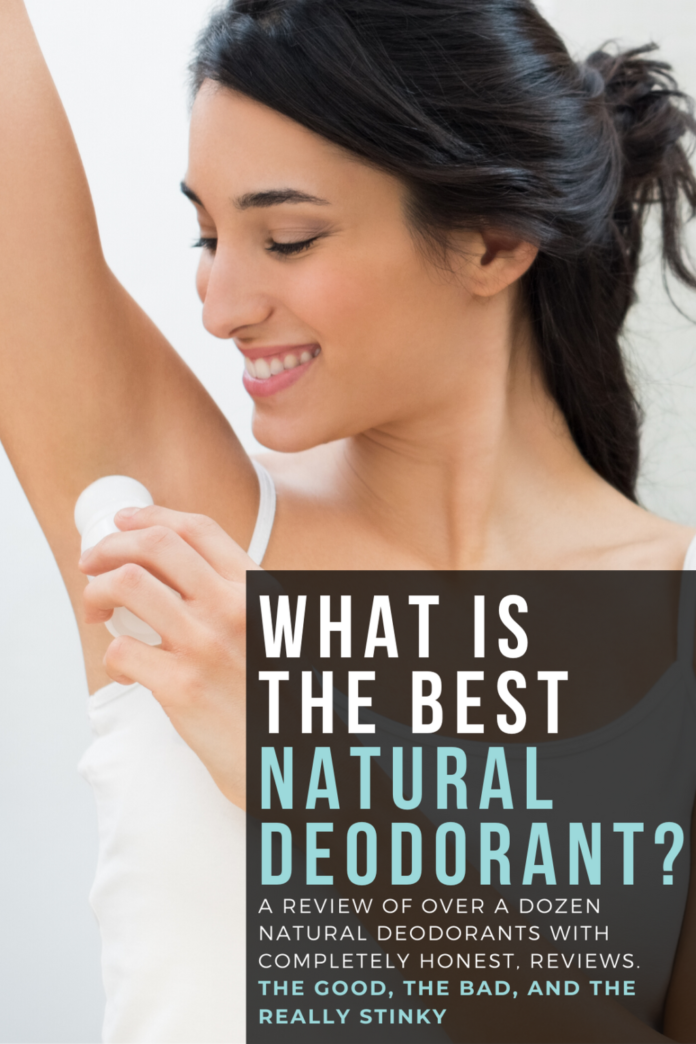
Choosing a deodorant might seem simple, but once you start exploring “natural” options, it can quickly become confusing or frustrating — especially if you’re looking for something aluminum‑free, gentle on skin, and effective throughout the day. Many people turn to natural deodorants because they want to avoid certain chemicals, reduce irritation, or simply find a product that doesn’t leave odor or stains. But not all natural deodorants work equally well for everyone — and that’s clear in decades‑long testing, trial, and error.
One of the most talked‑about names in this space is Lume Deodorant. It has a big online presence and promises long‑lasting odor control without aluminum — but does it live up to the hype? Below is a full breakdown of how natural deodorants work, real experiences with Lume, and what to consider when choosing your own deodorant.
🧪 What “Natural Deodorant” Really Means
The term natural deodorant gets used a lot, but it doesn’t have a strict scientific definition. In most cases, it simply refers to products that are:
- Free of aluminum compounds (which block sweat glands and are used in antiperspirants)
- Formulated with more plant‑derived or simple ingredients
- Designed to neutralize odor rather than block sweating

Modern dermatology makes two important distinctions:
- Deodorants help mask or neutralize odor by targeting the bacteria that break down sweat.
- Antiperspirants use aluminum‑based compounds to reduce sweating itself.
Natural deodorants do not stop sweating — they simply aim to reduce or change how sweat smells.
This is key: if you primarily want to stop wetness, natural deodorants won’t give you that. But if your goal is controlling odor more gently and avoiding certain chemicals, they can be a great option.
💛 Why People Switch to Natural Deodorants
Some common reasons people explore natural alternatives include:
- Skin irritation or sensitivity with conventional deodorants
- Desire to avoid synthetic fragrances, parabens, or aluminum
- Looking for a gentler daily product
- Personal preference for cleaner ingredient lists
It’s also worth noting that not all skin is the same — something that feels perfect for one person might cause irritation or smell ineffective for another.
🌿 Lume Deodorant: How It Stands Out
Lume has become one of the most visible natural deodorants on the market. It’s marketed as aluminum‑free and safe for use all over the body, not just underarms, which is a unique positioning.
🧴 How It Works & What It Claims
Unlike antiperspirants, Lume focuses on neutralizing odor by controlling the bacteria that break down sweat — the main source of body odor. Its formula is typically lighter and more lotion‑like than traditional stick deodorants. Some people appreciate this softer texture, especially on sensitive skin.
🌟 What Real Users Have Reported About Lume
Mixed real‑world experiences show trademark variation in natural deodorants — including Lume:
👍 People Who Liked It
- Some users find Lume more effective than many other natural brands they’ve tried; it may control odor better and last through normal activity.
- A few people use Lume beyond underarms — for example on feet or other areas prone to odor — and report good results.
- The water‑based formula is less likely to leave greasy or waxy residue on clothes.
🤔 People Who Found It So‑So or Ineffective
- Many users say Lume doesn’t live up to its 72‑hour odor‑control claim in everyday practice and may only last part of a day.
- Some report that their body smell returns quickly, particularly during heat or activity, and that the deodorant’s effect plateaus after repeated use.
- There are mixed comments about the scent, with some users finding it pleasant but others describing it as unusual or off‑putting.
😬 Concerns Some People Have Encountered
- A few online commenters discuss a noticeable odor from the product itself or say it made body odor worse initially.
- Some users found that it only worked if applied correctly or felt that it didn’t suit their body chemistry.
- A minority report irritation with prolonged use, although this isn’t universal.
The bottom line from community reports is that Lume doesn’t work equally well for everyone. Some love it, others find it underwhelming, and a few have described a strong or unpleasant scent. This kind of variability is common with natural deodorants because everyone’s body chemistry and pH levels are different.
🧠 Tips for Using Natural Deodorants (Including Lume)
If you decide to try Lume or another natural deodorant, consider these suggestions:
⏱ Give Your Body Time to Adjust
Switching from an antiperspirant to a natural deodorant sometimes involves a transition period, where your sweat glands reset or your skin adapts. Many people recommend starting the switch when you’re not dealing with heat waves or heavy workouts. This can help reduce frustration during the adjustment phase.
🧼 Apply to Clean, Dry Skin
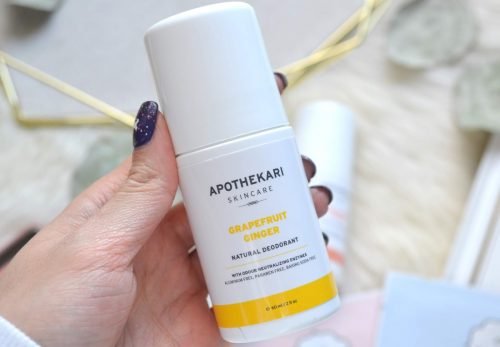
Natural deodorants tend to work best when applied after a shower on clean, dry underarms — this gives them the best ability to neutralize odor without interference from residual oils or bacterial buildup.
🧴 Reapply as Needed
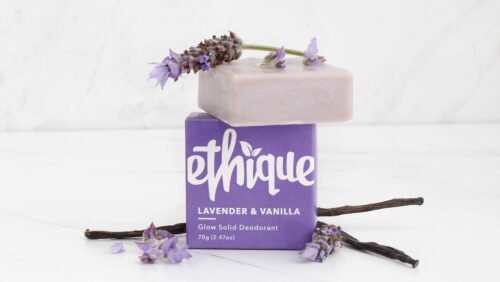
Because natural deodorants don’t block sweat, they may need to be refreshed during the day if you’re active or in warm environments.
🧪 Try Different Formats
Some natural formulas come as sticks, others as creams or roll‑ons. Application texture can affect effectiveness and comfort — if one format doesn’t work for you, another might.
🧴 Other Natural Deodorants to Consider
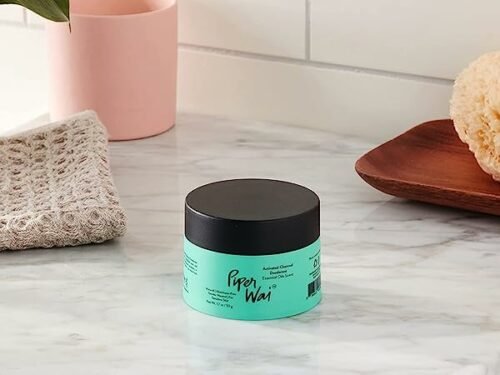
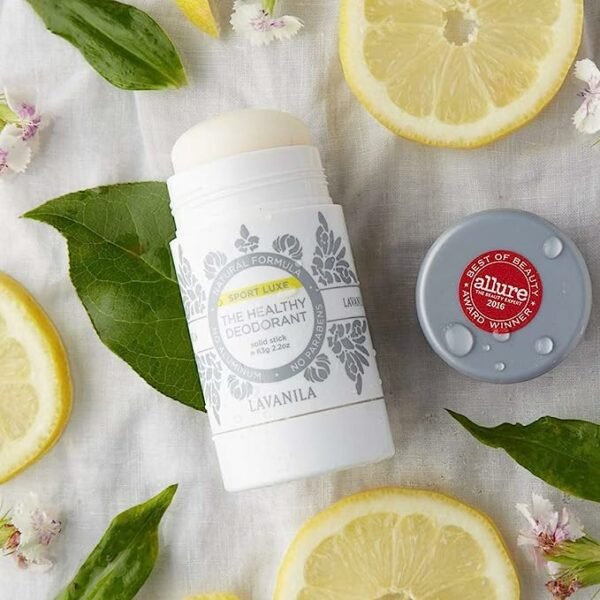
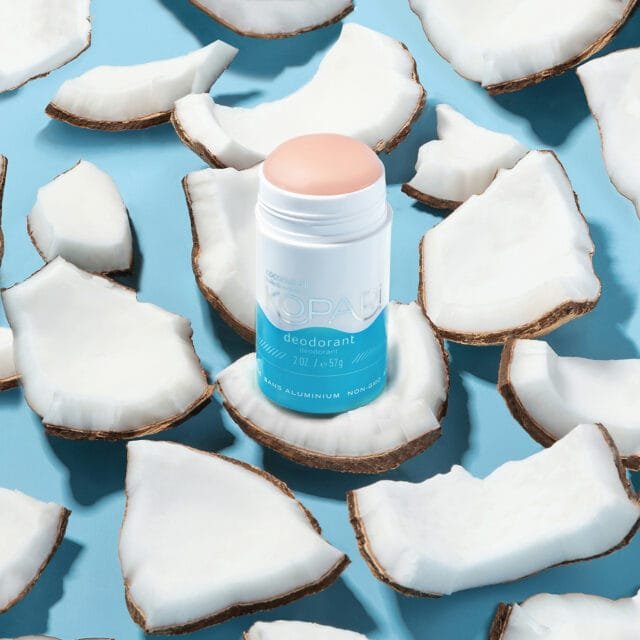
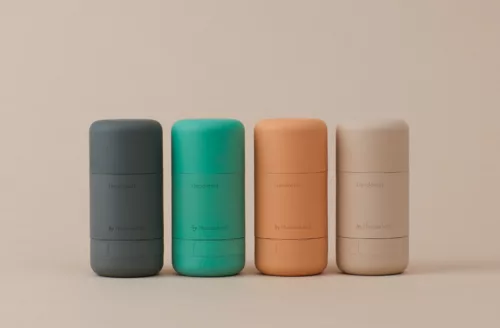
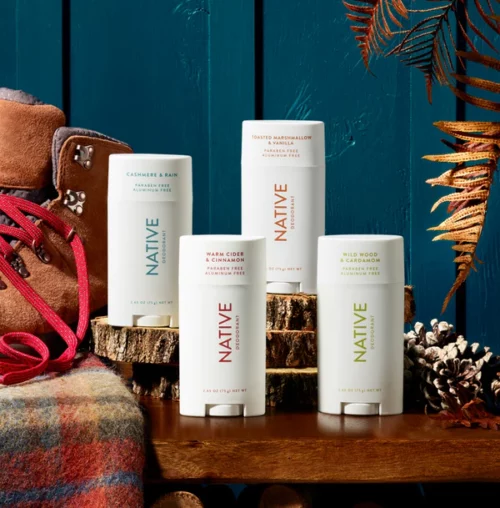
While Lume is a notable option, there are many natural deodorants that work well for different people and skin types. Some focus on enzymatic bacteria control, probiotic blends, or gentle acids that help balance skin pH and reduce odor. Others target specific needs like sensitive skin, sporty days, or eco‑friendly packaging.
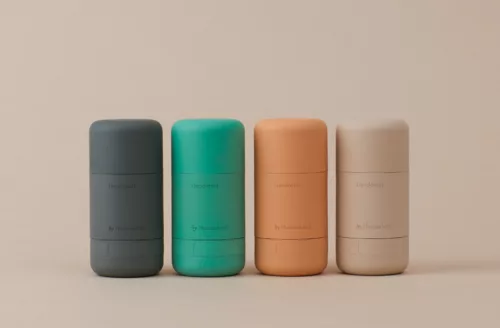
Exploring a few options in small sizes or multipacks can help you figure out what fits your body chemistry and lifestyle best.
🧾 Final Thoughts: Should You Try Lume?
Natural deodorants are highly personal — what works beautifully for one person may not perform for someone else. Lume has attracted a strong following because of its aluminum‑free formula and real‑world applications beyond underarms, but it also gets mixed feedback around longevity, scent, and performance.

If your priority is gentle ingredients and odor control without aluminum, Lume (or another natural deodorant) is worth trying. Just be prepared for the possibility that you may need to reapply during active days and that results can vary based on individual body chemistry.
Finally, remember that natural deodorants don’t stop sweat — they simply aim to manage odor. If wetness control is a priority, a traditional antiperspirant may still be necessary for your needs.