

Shopping secondhand online is one of the most sustainable, budget‑friendly, and rewarding ways to update your wardrobe — but if you’ve never done it before, it can feel overwhelming. How do you know if an item is authentic? Can you trust the measurements? What about returns? Luckily, with a few simple strategies, you can shop secondhand like a pro and land amazing pieces without buyer’s remorse.
Below is a friendly, practical guide to help you navigate the world of online secondhand shopping — whether you’re hunting for designer finds, vintage gems, or quality basics at a fraction of retail. (Inspired by tips from the original Wardrobe Oxygen post, but rewritten in a fresh, organized style.)
🧠 Why Shop Secondhand?
Before we jump into tips, it’s worth calling out why secondhand shopping matters:
🌿 Sustainability – Buying pre‑loved items keeps clothing out of landfills and reduces the demand for new production.
💰 Big Savings – You can find high‑quality pieces — often from better brands — at a tiny fraction of their original cost.
✨ Unique Finds – Vintage gems and out‑of‑production styles are treasures you won’t find in regular retail.
That said, online thrift shopping is different from in‑store browsing. You need a strategy — and the right expectations — to enjoy success.
📏 1. Always Check the Measurements
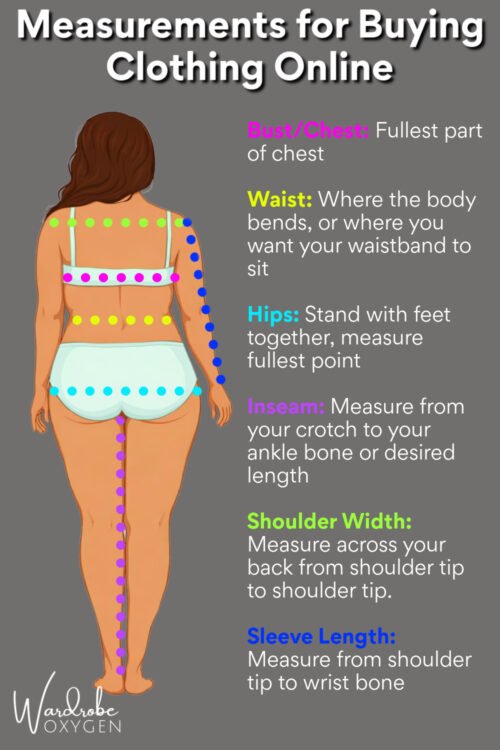
One of the most common pitfalls in online secondhand shopping is assuming that a garment’s listed size will fit you. Sizes vary wildly between brands and decades, so instead of relying on tags like “size 8” or “medium,” focus on actual measurements.
Pro tip:
Before you start browsing, measure a few of your favorite items at home — chest/bust, waist, hips, and inseam. When you search secondhand listings, compare those measurements to the ones in the description. If they aren’t provided, ask the seller to measure for you.
A garment that matches your measurements is more likely to fit well than one that simply shares a size label.
📸 2. Look at Photos Closely (and Always Ask for More)
High‑quality images are gold when shopping secondhand online. They help you judge color, fabric condition, texture, and details that matter.
When evaluating photos, pay attention to:
- Wrinkles, pulls, or fading in fabric
- Seams and stitching for wear or fraying
- Zippers and buttons — do they look original and intact?
- Tags and labels — this helps confirm the brand and era
If the listing only shows front shots or low‑resolution pics, don’t hesitate to ask the seller for more photos, especially of the back, inside seams, and tag area. A good seller will be happy to send additional pictures to help you decide.
🧾 3. Read the Description Thoroughly
A lot of secondhand listings include helpful details like:
- Brand and material
- Era (e.g., 1990s, early 2000s)
- Condition (excellent, good, fair)
- Flaws (tiny stain, missing button, slight pull)
Pay close attention to how sellers describe flaws. Words like “structural damage” or “significant pilling” are usually red flags. Softening phrases like “minor wear consistent with age” often mean the piece is still wearable.
Remember that lighting in photos can be misleading, so rely on the written description as a second reality check.
⭐ 4. Check Seller Ratings and Return Policies
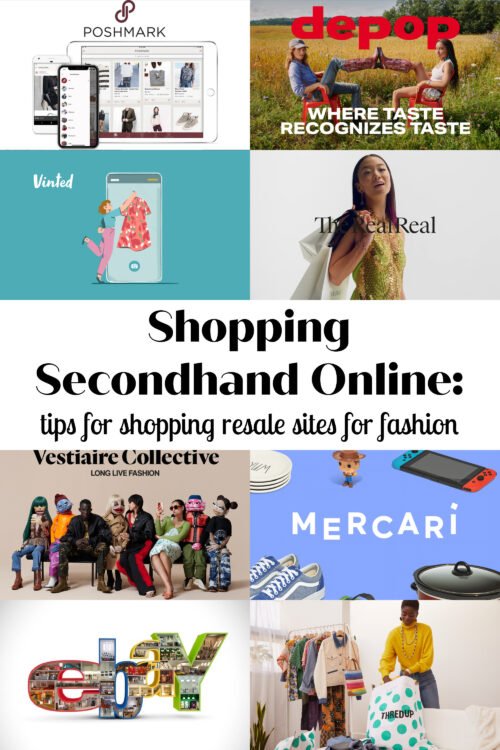
If you’re shopping on a marketplace (like eBay or Poshmark) or a curated resale site, look at:
- Seller ratings and reviews
- How long they’ve been selling
- Their return policy
Some sellers allow returns if an item is misrepresented, while others are final sale. Understand the rules before you pay. If a listing has no ratings and no returns, approach with caution — especially if the price seems unusually low.
🕵️♀️ 5. Learn How to Spot Fakes and Reproductions
For designer or high‑end pieces, authenticity matters — and unfortunately, not all sellers are trustworthy. Take the time to learn how to identify genuine items by researching:
- Brand‑specific label characteristics
- Hardware details (zipper pulls, logos)
- Stitching quality
- Serial numbers or authenticity cards
There are great resources (forums, videos, brand guides) dedicated to authenticating pieces. When in doubt, ask the seller where the item was originally purchased or if they have proof of purchase.
A bit of research pays off when you’re spending more on a name brand.
💡 6. Search With Keywords and Filters
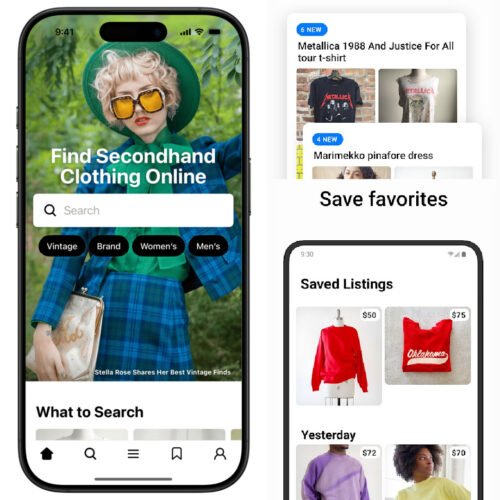
Secondhand listings are often messy — size tags may be wrong, and photos might be unclear. Using smart search terms and filters helps you find what you want efficiently.
Try filtering by:
- Brand
- Size (but always check measurements!)
- Color
- Condition
- Price range
You can also search using phrases like “classic trench,” “cashmere sweater,” or “minimal blazer” to find more refined results instead of scrolling aimlessly.
Think of keyword searches as shopping maps that help you uncover hidden gems.
🧹 7. Know What You Want — and What You Don’t
Having a shopping plan keeps you from impulse buys that sit unworn. Before you scroll listings, ask yourself:
- What staples am I missing? (denim, blazers, basics?)
- What do I already have in my closet?
- What fits my lifestyle and climate?
A clear list helps you skip distracting “almost tempting” items and focus on pieces that fill gaps in your wardrobe.
💛 8. Be Realistic About Condition and Wear
Secondhand items aren’t new — and that’s part of their charm and value — but they should still be wearable. Learn the difference between:
✔️ Vintage but structurally sound
❌ Heavily worn or damaged beyond repair
Some wear (light fading, softening) is expected and often part of the appeal. But avoid listings that mention major defects unless you’re comfortable repairing them.
If an item is priced poorly for its condition, it probably isn’t the steal it seems to be.
🧵 9. Fix What You Can
Some flaws are easy to fix — a missing button, a loose stitch, or a tiny stain that lifts with proper cleaning. If you enjoy simple wardrobe repairs or have a local tailor you trust, you can confidently shop pieces with minor imperfections and bring them back to life.
You don’t need to be Michelangelo with a needle — often, simple fixes can elevate an otherwise great find.
🛒 10. Don’t Be Afraid to Try It More Than Once
Your first few secondhand shopping experiences might come with some misses — that’s normal! Treat it like learning a skill. Over time, you’ll get better at:
- Spotting flattering fits
- Reading garment descriptions
- Recognizing brands and quality materials
- Judging what’s worth buying
Like any good hobby, success comes with experience — and a few fun victories along the way.
🎁 Final Thoughts
Shopping secondhand online isn’t just a way to save money — it’s an opportunity to build a more intentional, sustainable, and personalized wardrobe. With an eye for detail, a bit of patience, and these savvy tips in your back pocket, you can discover beautiful pieces that feel like they were made for you.
So take a deep breath, measure your favorite pieces, browse with intention, and enjoy the thrill of finding something special — for less. 🧥👗💫