
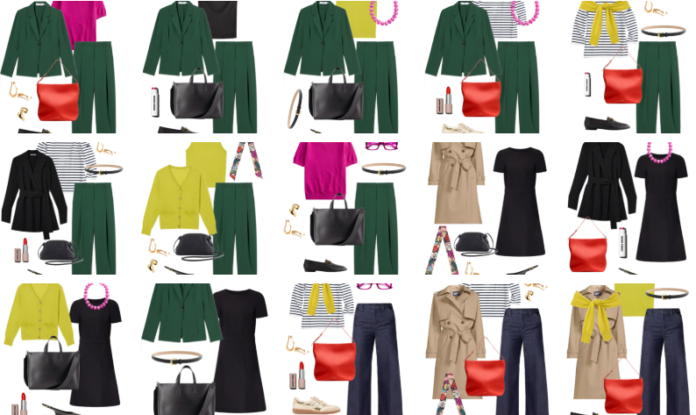
When the weather begins to warm and winter layers finally disappear, many people feel the urge to refresh their wardrobes. But instead of filling your closet with new items each season, a more thoughtful approach is to create a spring capsule wardrobe.
A capsule wardrobe is a small collection of clothing and accessories designed to work together seamlessly. Each piece can be mixed and matched with others, allowing you to create a wide range of outfits from a limited number of items. The concept focuses on versatility, simplicity, and long-lasting style rather than constant shopping.
With a well-planned capsule wardrobe, you can enjoy stylish outfits throughout the season without the frustration of feeling like you have “nothing to wear.”
What Is a Capsule Wardrobe?
The idea of a capsule wardrobe dates back to the 1980s when designers promoted collections of essential pieces that could be combined to create many different outfits. The goal was to simplify daily dressing while maintaining a polished appearance.
Today, capsule wardrobes are especially popular because they help people:
- Reduce unnecessary clothing purchases
- Build a more cohesive personal style
- Save time when choosing outfits
- Make better use of the clothing they already own
A spring capsule wardrobe typically includes around 10–15 versatile pieces, though the exact number depends on personal preferences and lifestyle.
Start With a Layering Piece
One helpful strategy when building a capsule wardrobe is to begin with a layering item, such as a blazer, lightweight jacket, or cardigan.
A layering piece acts as the “third element” of an outfit—the item that pulls everything together. It also tends to reflect personal style more than basic pieces do.
For spring, ideal layering pieces might include:
- A linen blazer
- A denim jacket
- A lightweight cardigan
- A casual trench coat
Because spring weather can change quickly, layers allow you to adjust your outfit throughout the day.
Choose Two Versatile Bottoms
Once you have your main layering piece, the next step is selecting two different types of bottoms.
Variety is important here. Instead of choosing two similar items, aim for contrasting silhouettes or fabrics. This creates more outfit possibilities.
For example, a capsule wardrobe might include:
- A pair of comfortable wide-leg trousers
- Classic straight-leg jeans
These two options provide flexibility. One can feel relaxed and casual, while the other offers a slightly more structured look. Both should work with your layering piece and the tops you plan to add later.
Trying combinations with clothes you already own can help identify which pieces work best together.
Add Base Layers That Work Alone
After selecting bottoms, you’ll want two versatile tops that can be worn either on their own or under your chosen layer.
These tops should offer some contrast in style, fabric, or neckline. Examples might include:
- A soft knit tank or shell
- A classic striped T-shirt
The key is choosing pieces that suit your lifestyle. If you rarely wear sleeveless tops alone, they may not be the most practical addition to your wardrobe.
Patterns like stripes are especially useful in capsule wardrobes because they add visual interest while still functioning like a neutral piece.
Fill the Gaps in Your Wardrobe
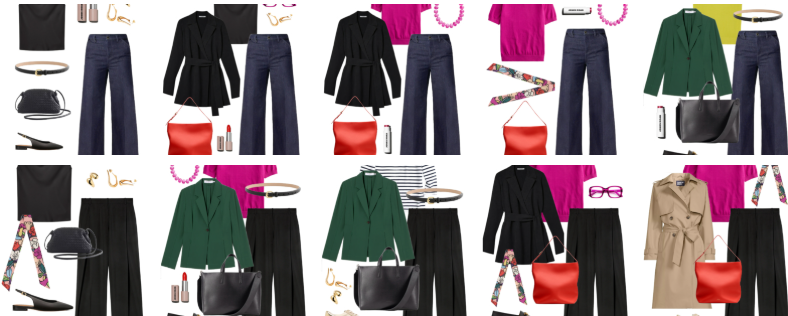
Once you have your core pieces, try combining them into several outfits. As you experiment, you’ll likely notice certain gaps.
Perhaps you need:
- A dress for special occasions
- A skirt for warmer days
- A more casual top for weekends
Filling these gaps carefully ensures your capsule wardrobe can handle different situations such as workdays, social gatherings, or casual outings.
For instance, adding a simple dress can instantly expand your outfit options. The same dress might be styled with heels for dinner, sneakers for errands, or layered with a jacket for cooler days.
Consider the Changing Spring Weather
Spring is known for unpredictable temperatures. One day may feel chilly, while the next feels like early summer.
Because of this, successful spring wardrobes rely heavily on lightweight fabrics and flexible layers.
Breathable materials like cotton, linen, and soft knits are excellent choices. They help keep you comfortable as temperatures shift throughout the day.
It’s also wise to include:
- Closed-toe shoes for rainy days
- A slightly larger bag that can hold a compact umbrella
- Layers that can easily be removed or added
Preparing for weather changes ensures your capsule wardrobe remains practical as well as stylish.
Embrace Timeless Spring Pieces
Certain clothing items return year after year because they consistently work well during spring.
Some classic examples include:
- Breton striped tops
- White jeans or light-wash denim
- Canvas sneakers
- Lightweight dresses
- Chino pants
- Trench coats
These pieces have remained fashionable for decades, making them reliable additions to a capsule wardrobe.
Choosing timeless styles also means your wardrobe can continue working for multiple seasons rather than feeling outdated after one year.
Use Fresh Colors and Fabrics
Spring is the perfect time to introduce lighter fabrics and brighter colors into your wardrobe.
While winter wardrobes often feature darker shades and heavier materials, spring clothing typically feels lighter and more relaxed.
Soft pastels, fresh greens, and natural neutrals can all help reflect the seasonal shift. Pairing these colors with breathable fabrics creates outfits that feel both comfortable and appropriate for warmer weather.
Final Thoughts
A spring capsule wardrobe isn’t about limiting your style—it’s about making your wardrobe work smarter.
By selecting versatile pieces that coordinate easily, you can create a surprising number of outfits with only a handful of items. This approach reduces clutter, simplifies getting dressed, and helps you focus on clothing you truly enjoy wearing.
With a thoughtful mix of layering pieces, versatile bottoms, comfortable tops, and a few carefully chosen extras, you can build a spring wardrobe that feels effortless, stylish, and ready for whatever the season brings.