
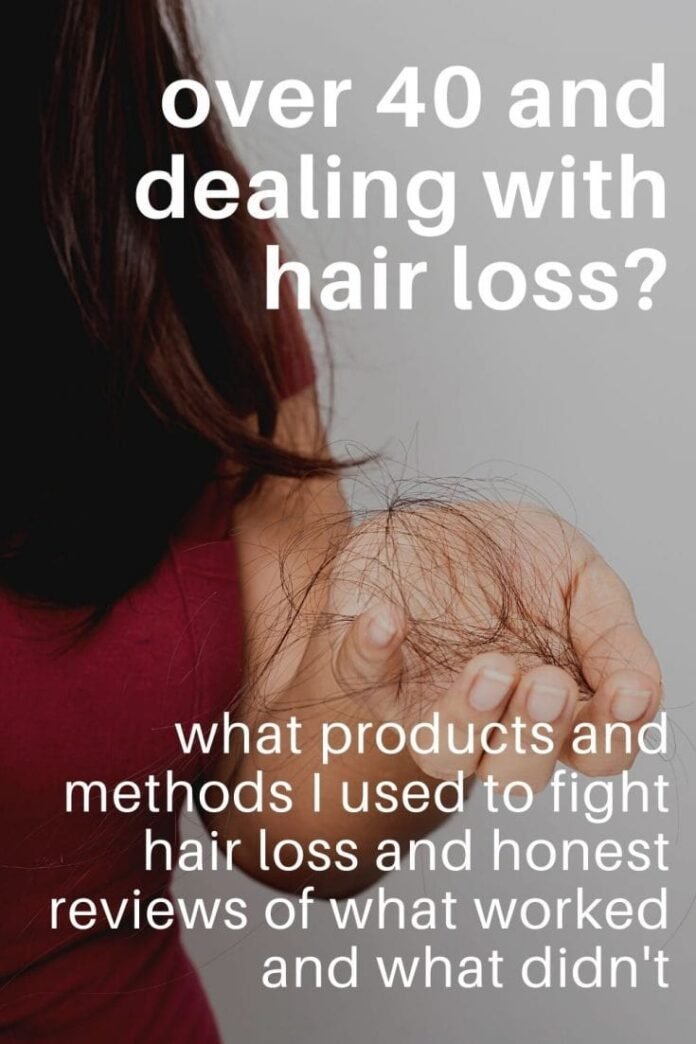
Hair loss can be frustrating no matter your age. Whether you’re noticing a widening part, thinning crown, or excess hair in the shower drain, the experience can feel stressful and personal. The good news? Hair thinning and shedding are common, and there are several evidence‑based strategies you can try to help slow loss, support regrowth, and improve the overall look and health of your hair.
From understanding the causes to adjusting daily habits and exploring effective treatments, this guide breaks down practical steps you can take to fight hair loss with confidence.
Understanding Hair Loss: What’s Normal and What’s Not
Everyone sheds some hair daily — on average, around 50–100 strands as part of the natural growth cycle. Most of us don’t notice this because new hairs grow in quickly to replace what’s lost. But when shedding becomes excessive or regrowth doesn’t keep up, hair can appear thinner or sparser.
Common types of hair loss include:
- Androgenetic alopecia (pattern hair loss): The most typical form, often genetic, and can affect both men and women.
- Telogen effluvium: Temporary shedding triggered by stress, illness, hormonal changes, or drastic dieting.
- Alopecia areata: An autoimmune condition that causes patchy hair loss.
- Traction alopecia: Caused by hairstyles that pull on the hair over time.
Identifying the pattern and potential triggers can help you choose the most effective strategies.
Daily Habits That Can Help Protect Your Hair
Even small changes in your hair care routine can make a meaningful difference over time.
1. Wash Less Frequently, Gently
Washing your hair too often — especially with harsh shampoos — can weaken strands and strip natural oils. Using a gentle, sulfate‑free shampoo when you do wash helps keep the scalp clean without excessive dryness. If your scalp tolerates it, extend time between washes by using dry shampoo or simply rinsing with water.
When shampooing:
- Massage the scalp gently with fingertips, not nails.
- Avoid aggressive scrubbing that can tug at hair roots.
- Focus shampoo on the scalp and conditioner on the lengths.
2. Rinse with Cool Water
Hot water may feel relaxing, but it can rough up the hair cuticle, leading to frizz and breakage. A cool rinse after conditioning helps smooth the shaft and adds shine while sealing moisture in.
3. Use the Right Conditioner
Conditioners that are too heavy can weigh hair down or leave buildup at the roots, which may make hair look limp. Instead:
- Choose lightweight conditioners, especially if your hair tends to get greasy.
- Apply conditioner from mid‑lengths to ends rather than at the scalp.
- Consider a leave‑in conditioner or serum if your ends are dry or damaged.
4. Avoid Heat Damage
Hot tools — blow dryers, flat irons, curling wands — can increase breakage when used frequently or at high temperatures. If styling tools are a daily habit:
- Use a heat protectant spray first.
- Work on lower heat settings.
- Allow hair to air dry when possible.
Heat protection helps prevent unnecessary stress on fragile growing strands.
Prevent Breakage With Gentle Styling
How you handle your hair matters just as much as what you put on it.
5. Skip Tight Hairstyles
Ponytails, braids, buns, and extensions that put constant tension on the hairline can lead to traction alopecia. If you love pulled‑back styles:
- Opt for looser styles.
- Use fabric or spiral hair ties instead of elastic bands.
- Alternate hairstyles so the same areas aren’t pulled every day.
6. Detangle With Care
Wet hair is more vulnerable to breakage. When detangling:
- Apply a wide‑tooth comb or brush with flexible bristles.
- Start at the ends and work upward gradually.
- Avoid yanking or tugging through knots — gentle patience saves strands.
Nourish From Within: Diet, Supplements & Hormonal Balance
Hair health doesn’t begin at the shampoo bottle — it starts with what you feed your body.
7. Eat for Strong Hair
Your hair follicles need nutrients — especially protein, iron, healthy fats, and antioxidants — to maintain healthy growth. Prioritize:
- Lean proteins (fish, poultry, beans)
- Omega‑3 rich foods (flaxseed, walnuts, salmon)
- Iron sources (spinach, lentils, fortified cereals)
- Vitamins A, C, D, and E from colorful fruits and veggies
When your diet is balanced, your scalp gets the building blocks it needs for stronger, more resilient strands.
8. Supplements That May Help
While food should always come first, some people benefit from targeted supplements when nutrient gaps exist. Common options include:
- Biotin: Often marketed for hair and nail strength
- Zinc & iron: Important for hair growth but only under guidance if levels are low
- Collagen peptides: Provide amino acids that support hair structure
Before starting any supplement, consult a healthcare provider — especially if you have underlying health conditions or take medications.
Clinically Backed Treatments to Consider
If hair loss is persistent or severe, there are medical and professional options worth exploring.
9. Minoxidil
Minoxidil is one of the most studied, OTC hair‑growth treatments. It’s available in foam or liquid forms and can improve hair density with consistent use over months.
Important points:
- Results take time — sometimes 3–6 months before changes show.
- It needs to be used consistently to maintain benefits.
- Some people experience initial shedding as weak hairs are replaced over time.
10. Professional Consultation
If hair loss feels sudden, patchy, or notably rapid, consider seeing a dermatologist or a trichologist (hair‑specialized clinician). They can evaluate:
- Hormonal influences (like thyroid or androgen imbalances)
- Scalp conditions (like dermatitis or psoriasis)
- Nutrient deficiencies
- Genetic pattern hair loss
Targeted treatments, laser therapy, PRP (platelet‑rich plasma), or prescription options may be recommended based on the underlying cause.
Scalp Care: Treat It Like Skin
A healthy scalp supports healthy hair — so extend your care there too.
11. Keep the Scalp Balanced
Gentle exfoliation once a week can remove buildup from products and natural oils, helping follicles breathe and look more refreshed. Choose a scalp scrub or massage with a soft brush.
12. Avoid Irritants
Fragranced products, heavy oils, and harsh chemicals can irritate sensitive scalps — especially when inflammation contributes to shedding.
Look for:
- Mild, fragrance‑free options
- Soothing ingredients like aloe or tea tree (if tolerated)
- Products formulated for thinning hair or scalp support
Emotional Well‑Being Matters Too
Hair loss can feel emotionally heavy. Addressing stress and creating sustainable routines not only supports hair health but overall well‑being.
13. Stress Management
Chronic stress can push more hairs into the shedding phase. Consider:
- Meditation or breathwork
- Regular exercise
- Adequate sleep
- Journaling or counseling if anxiety feels overwhelming
Managing stress gives your body a better environment for normal hair cycles.
When to Seek Professional Help
Sudden or dramatic hair thinning should never be ignored. You should consult a healthcare provider if you notice:
- Sudden hair loss that comes on rapidly
- Bald patches forming
- Severe itching or scaliness of the scalp
- Hair loss accompanied by illness or medication changes
Prompt evaluation helps rule out treatable conditions and prevents unnecessary delay.
Final Thoughts
Hair loss is not a one‑size‑fits‑all issue — but many common causes have practical solutions. From gentle hair care habits and nutrient‑rich nutrition to professional treatments that support regrowth, there are options that fit a variety of goals and lifestyles.
The most effective approach usually involves consistency, patience, and a mix of strategies rather than a single “magic” product. By approaching hair health holistically — from diet and scalp care to daily styling choices — you can build a routine that supports stronger, fuller‑looking hair over time.
Remember: small, consistent steps often lead to the biggest results.